
BackResponsible Tourism
Tourism in Morocco :Toward a New Balance Between Discovery and Sustainability
Between mass tourism and responsible hospitality, how Morocco is redefining its tourism model in Marrakech, Essaouira and Casablanca.
Published on2025-06-29
Itinerance Plus
Responsible Tourism
Quick read
What this article is really saying
With its geographic and cultural diversity, Morocco remains one of the most sought-after destinations in North Africa. Mountains, desert, lively medinas and Atlantic coastline give it a thousand faces. But as climate, social and economic concerns reach every part of society, tourism is no exception. The dominant model, built on fast consumption of places, is showing its limits. A new approach is emerging, built on respect, slowness and local roots.
What it clarifies
Identify the format that suits your available time, budget and preferred pace.
Rule out options whose constraints do not match your expectations.
Compare duration, transport, inclusions and comfort level.
How to use it
Check how much time you truly have available before choosing.
Note your transport, pace and comfort preferences.
Then compare the experiences that match those priorities.
Albane Allais
« Notre circuit Marrakech - desert Zagora - Ouarzazate - Marrakech s'est très bien passé avec Omar Nadif comme chauffeur qui est vraiment très gentil. Il a tout géré sur les points de rendez vous, hôtel les pauses déjeuner. Au cours des trajets il faisait régulièrement des pauses avec de jolis points de vues et des petites explications. »
View review
TripAdvisor
Sercan K
« We traveled with Abdul Ali from Marrakesh to Merzouga and back. It was a really pleasant trip. He was always on time and took care of all guests and their desires making a break, etc. We hope for a driver like him on our next trips as well. Our time in Merzouga was an amazing experience. We would recommend everyone who travels to marroco to do this trip to Sahara. It is an one time experience! For a VIP trip we paid 90€ each and it was worth every euro. »
View reviewGuided reading
Big picture
The essential context before booking.
With its geographic and cultural diversity, Morocco remains one of the most sought-after destinations in North Africa. Mountains, desert, lively medinas and Atlantic coastline give it a thousand faces.
But as climate, social and economic concerns reach every part of society, tourism is no exception. The dominant model, built on fast consumption of places, is showing its limits.
A new approach is emerging, built on respect, slowness and local roots.
New ways of looking at travel
For a long time, traveling in Morocco meant ticking off the must-sees: Jemaa el-Fna square, the dunes of Merzouga, the kasbah of Aït Benhaddou. Today, more and more visitors are looking for something else: a more personal, more human experience. This shift isn't unique to Morocco, it's part of a global trend where tourism moves away from the beaten path to become a moment of encounter and understanding. In Morocco, this shows up as alternative forms of travel: immersion in Berber villages of the Atlas, cultural stays in Essaouira, eco-friendly escapes in the Rif, or art workshops in the south. Travel becomes a way to support craftsmanship, local traditions or sustainable agriculture.
Guided reading
What really matters
The nuances that change the right decision.
The impact of mass tourism
While tourism has generated significant revenue for Morocco, its side effects are also visible.
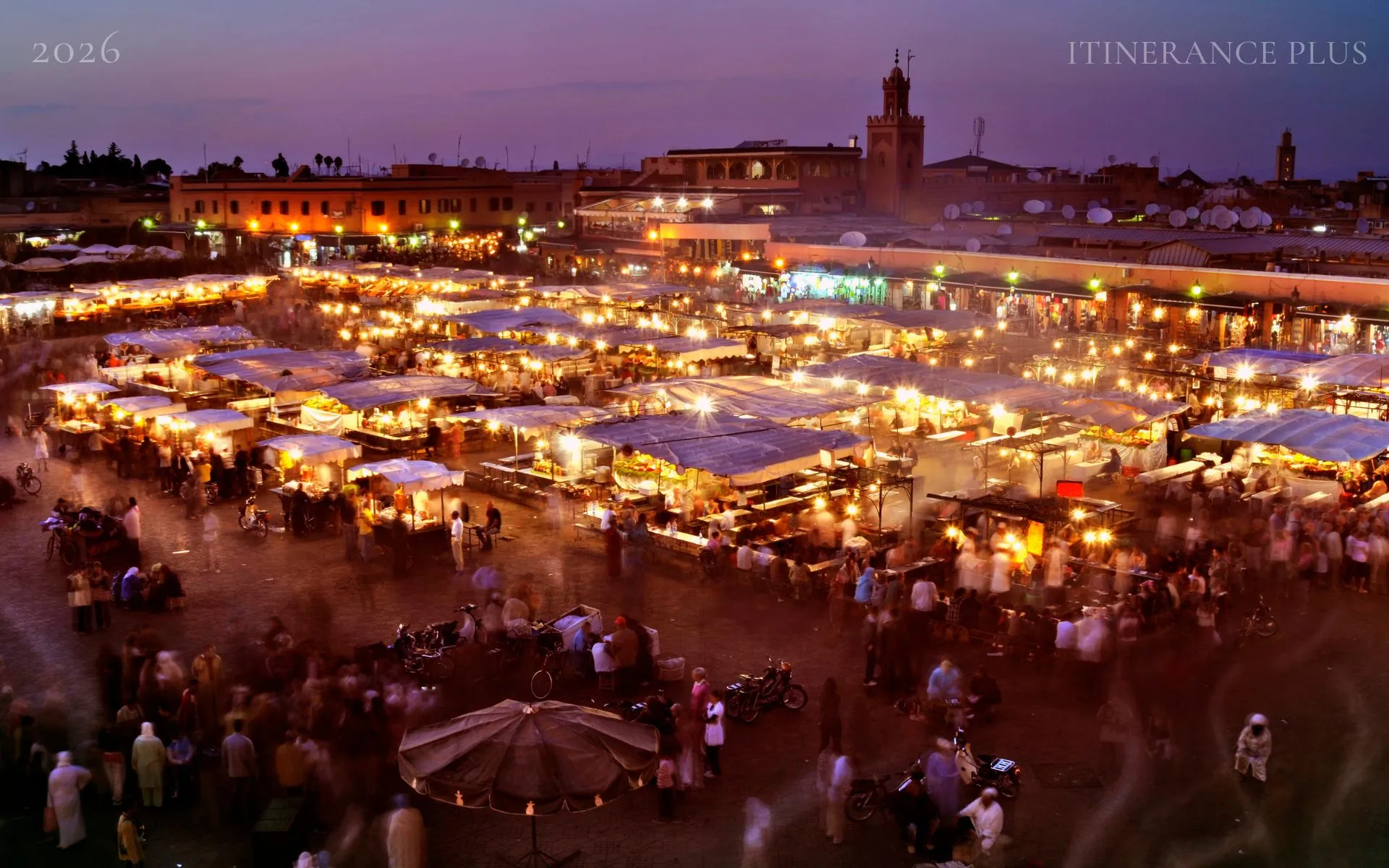
In certain cities, notably Marrakech and Chefchaouen, overcrowding has driven up the cost of living, strained infrastructure and sometimes created a disconnect between residents and their environment. The Marrakech medina is a good example.
Highly attractive to tourists, it sees travelers and residents coexist in a sometimes fragile balance.
The growth of short-term tourist rentals can contribute to housing access issues for residents, raising questions about the role of the operators managing these rentals, including local concierge services.
The growing role of local concierge services
Guided reading
How to choose well
The most useful angle before making a choice.
Facing these challenges, local concierge structures are emerging in several cities.
Their function goes well beyond simply handing over keys: they manage accommodation fully, ensure quality hospitality, and sometimes act as intermediaries between owners and travelers.
In a city like Casablanca, undergoing major urban transformation, or in Essaouira, where preserving local identity is a major concern, these concierge services help structure a more organized accommodation offering.
They can play a role in regulating usage, raising host awareness, and limiting the nuisances linked to tourist rentals.
Some structures, such as Kridarek, active in concierge services in Casablanca, Essaouira and Marrakech, follow this logic of responsible management, supporting owners while taking the local residents' living environment into account.
While still limited in scale, these initiatives reflect a shift in posture within the sector.
Essaouira and Casablanca, examples of balance in progress
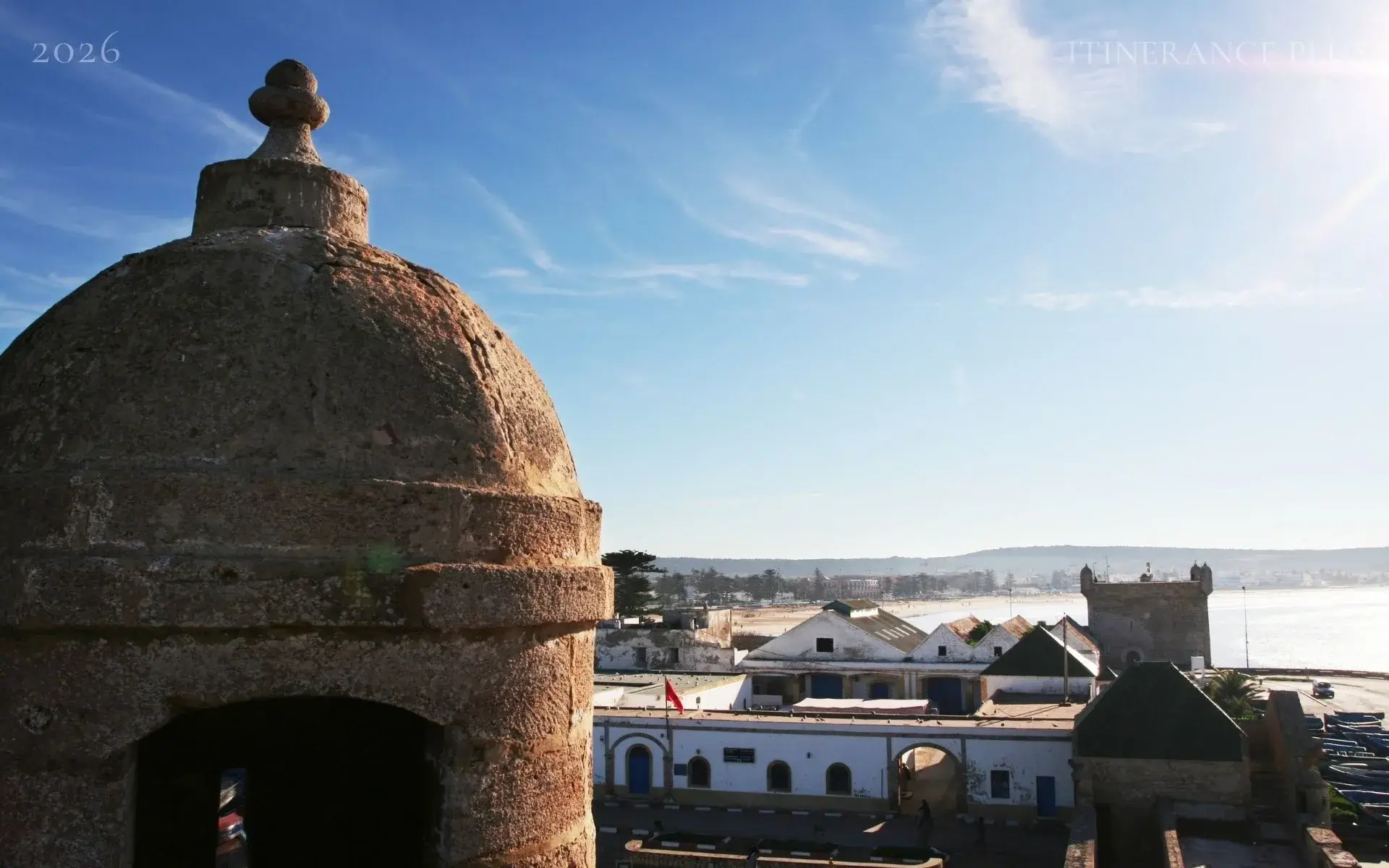
The city of Essaouira embodies this calmer, more sustainable form of tourism. Less densely populated than other major destinations, it has managed to highlight its strengths, heritage, music and craftsmanship, without fully giving in to mass tourism.
The rise of small guesthouses, local cooperatives and cultural initiatives contributes strongly to this. Casablanca, by contrast, stands out as the economic capital.
Less touristic, the city nonetheless attracts an urban clientele curious to discover its colonial architecture, changing neighborhoods and emerging art scene.
Concierge services play a different role there, more focused on comfort, short business stays or city breaks. In both cities, the challenge is the same: welcome without altering the character of the place.
Structuring the accommodation offering helps avoid the excesses seen in other major international cities.
Toward a more grounded tourism
Guided reading
How to choose well
The most useful angle before making a choice.
The future of tourism in Morocco seems to be taking shape around a few key principles: slow down, understand, respect. This approach requires rethinking how visitors are welcomed, housed and supported.
It also calls for a better distribution of tourist flows, so that benefits, and nuisances, aren't concentrated on just a few sites. Projects are emerging across the country: heritage trails, cycling routes in the Atlas, educational farms, cultural hikes.
These human-scale forms of tourism could well become tomorrow's norm.
Conclusion
Morocco is at a turning point. By developing its territories in a more balanced way, and supporting local players committed to responsible hospitality, from artisans to neighborhood concierge services, the country can build a sustainable tourism model true to its legendary hospitality. A tourism that no longer just passes through, but takes the time to listen, meet and understand.
Frequently asked questions
Answers to your questions
Destination guides
Continue with destination pages
After this article, these destination pages help go further with concrete insights, key places and visit ideas.
Practical guides
Guides to read before booking
These guides help compare, plan and choose the right pace based on available time and travel preferences.


Useful before you book
The best next move after reading this
Use this article to frame the decision more clearly, then test that frame against the real product, trip rhythm and comfort level you want before booking.


More inspiration available in the journal.
All articles